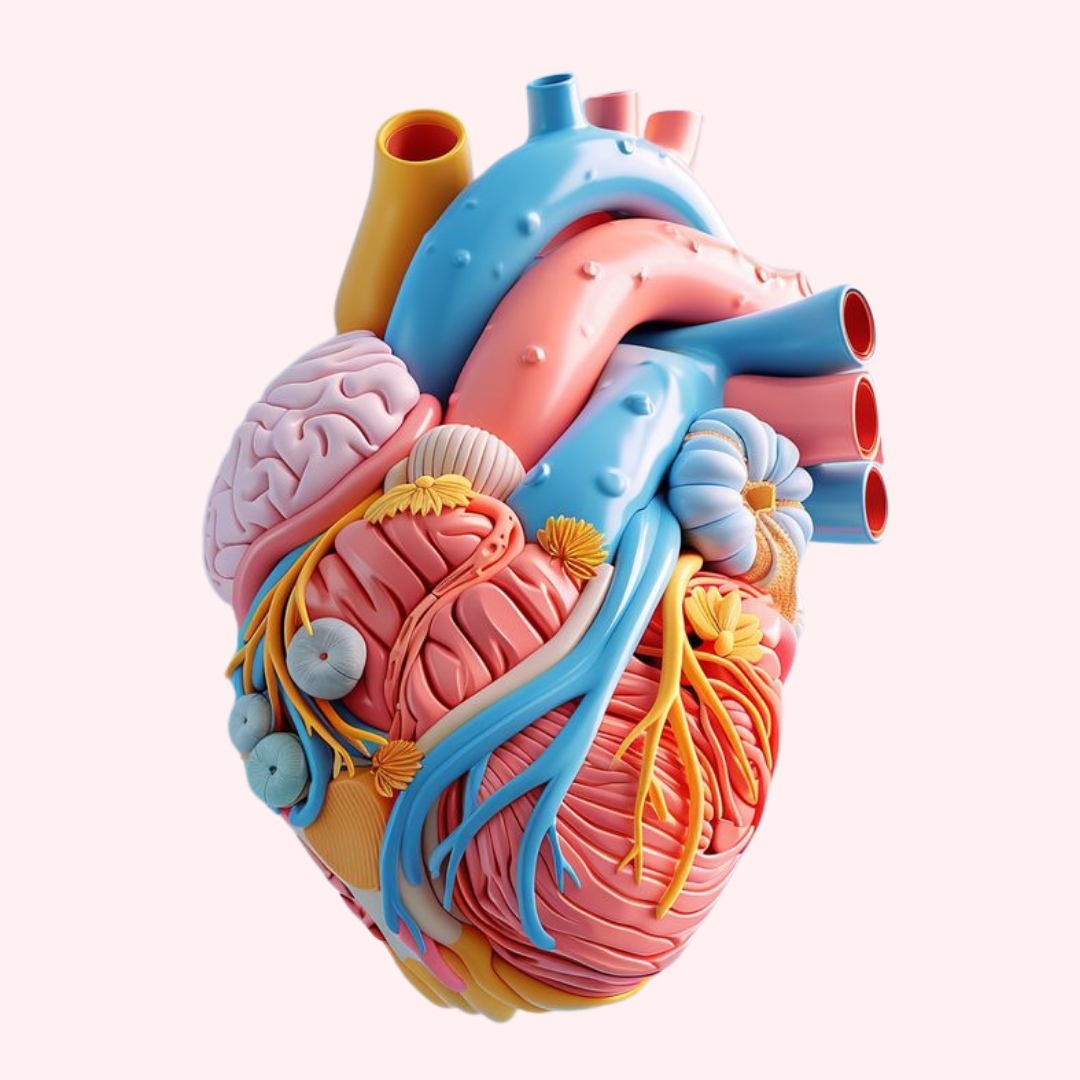








What is High Cholestrol?

High Cholesterol (Dyslipidemia) is one of the earliest red flags in metabolic health—yet it’s often ignored until it shows up as a heart attack or fatty liver.

Many people discover it during a routine health check but aren’t told what to do beyond “eat less oil.” It’s diagnosed through ”:

  • Blood tests for LDL (bad cholesterol), HDL (good cholesterol), triglycerides, and total cholesterol—but numbers alone don’t tell the full story.

Start your 360° high cholesterol Evaluation today!

"Notions" vs Facts

“It only happens to overweight or older people.”
Cholesterol imbalances can affect anyone, even those who are young, slim, or “look healthy.” It’s often driven by stress, inflammation, poor sleep, and genetics.
“Just stop eating fat.”
It’s not that simple. Sugar, processed foods, poor sleep, stress, and lack of movement often contribute more to high cholesterol than natural fats.
“If I don’t have symptoms, it’s not a problem.”
Cholesterol issues are usually silent. The first symptom might be something serious like a blocked artery, stroke, or fatty liver.
“Once I start statins, I’m sorted.”
Statins manage the symptom (high cholesterol), but they don’t address the underlying metabolic dysfunction or lifestyle triggers.

Start your 360° Stress, Cortisol & Nervous System Evaluation today.

The Swasta Method

360° Holistic Assessment

Full-spectrum evaluation of hormones, insulin resistance, metabolism, gut–nerve connection, mental health, and lifestyle patterns.

Expert 1:1 Consults

You’ll meet with trauma-informed gynaecologists, nutritionists, therapists, and movement specialists, who will collaboratively work to tailor the treatment plan to your unique needs.

Nutrition, Movement, and Lifestyle Optimization

Includes cellular nutrition, cycle-aligned 4S fitness routine, sleep support, and posture correction

Mental and Social Health

Includes individual therapy, peer support groups, and fun + immersive community-led events to help you feel heard, supported, and less alone in your journey.

Ongoing Tracking & Real-Time Adjustments

Your progress is tracked using our research-developed PCOS tracker, with expert-led tweaks along the way to keep you on course.

Why multidisciplinary care?

  • Fatigue, anxiety, sleep disturbances, weight gain around belly
  • Brain fog, irritability, social or performance anxiety
  • Overthinking, emotional eating, guilt around resting

What to Expect?

Regulated responses under pressure– fewer crashes, improved sleep and less reactivity

Improved clarity, focus, and emotional steadiness– Feel present, productive, and less overwhelmed

Building biopsychosocial resilience– beyond stress management, without coffee-dependence or burnout

Your low cholesterol Journey
Starts Here.

We see you. We hear you. We want to help you feel like yourself again.

What makes Swasta’s program different?

Who will the program not work for?

Genetic Dyslipidemia

If your high cholesterol is genetic and extremely elevated, our care supports (but may not replace) long-term medical therapy.

Advanced Cardiovascular Disease:

If you’ve already had a major cardiac event or procedure (like a stent), we can help you rebuild, but close cardiac monitoring is still essential.

If you're looking for a shortcut:

We don’t do quick hacks or crash diets. We build long-term metabolic change with care, science, and support.

Frequently Asked Questions

Because we don’t just lower a number—we restore the systems that affect cholesterol: liver function, sugar metabolism, inflammation, and daily habits.

Not always. Some reduce their dependency on statins with lifestyle changes (under medical supervision), while others use a hybrid approach for best results.

Yes—cholesterol imbalance often overlaps with other lifestyle disorders. Our approach addresses the common roots, not isolated symptoms.

Not forever. We help you reintroduce healthy fats in a way that supports your metabolism, reduces inflammation, and satisfies your cravings—guilt-free.

  • 3–6 weeks: More energy, early symptom relief
  • 8–12 weeks: Improved cycles, skin, and mood
  • 3–6 months: Sustainable hormonal balance and improved fertility/metabolism—depending on consistency