
What is Hypothyroidism?
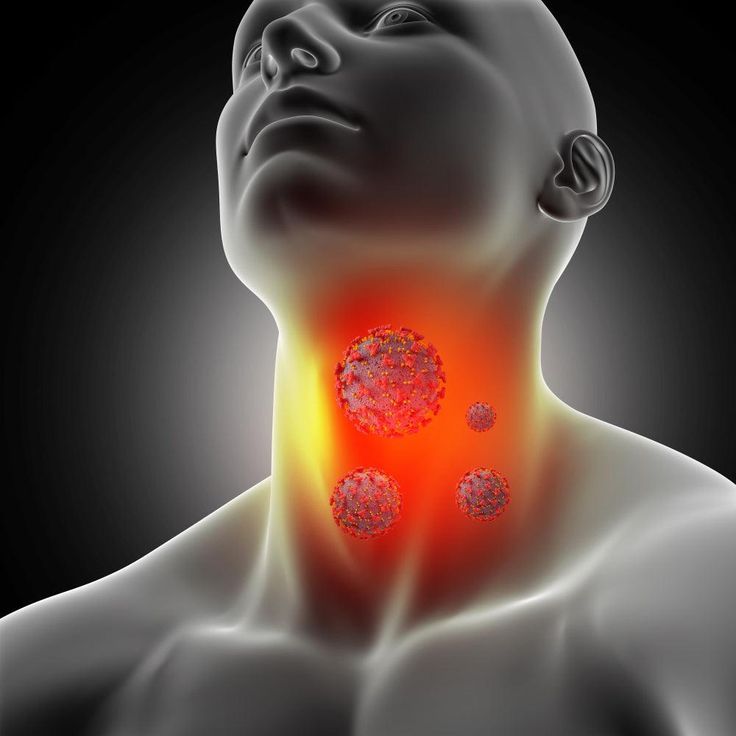
Its diagnosis is based on blood tests for:
- TSH
- Free T4
- Thyroid antibodies (TPO or TG), often missed in routine checkups.
Start your 360° Thyroid Evaluation today.
Notions vs Facts
"We understand how invisible this can feel. You’re not imagining it. Let us hold you through this! Get in Touch "
The Swasta Method
360° Holistic Assessment
Full-spectrum evaluation of hormones, insulin resistance, metabolism, gut–nerve connection, mental health, and lifestyle patterns.

Expert 1:1 Consults
You’ll meet with trauma-informed gynaecologists, nutritionists, therapists, and movement specialists, who will collaboratively work to tailor the treatment plan to your unique needs.

Nutrition, Movement, and Lifestyle Optimization
Includes cellular nutrition, cycle-aligned 4S fitness routine, sleep support, and posture correction

Mental and Social Health
Includes individual therapy, peer support groups, and fun + immersive community-led events to help you feel heard, supported, and less alone in your journey.

Ongoing Tracking & Real-Time Adjustments
Your progress is tracked using our research-developed PCOS tracker, with expert-led tweaks along the way to keep you on course.

Why multidisciplinary care?
- Fatigue, dry skin, thinning hair, weight gain, constipation, cold sensitivity
- Brain fog, low mood, irritability, memory lapses
- Body image issues, guilt around food, burnout, irregular routines
What to Expect?

Improved energy, focus, and digestion– Reduced brain fog, fatigue, and bloating; smoother metabolism
Healthier skin, hair, sleep, and cycles– Less dryness and hair fall, regulated period cycles, restful sleep
Sustainable thyroid support– Sustainable healing without crash diets, overmedication, or quick-fix hacks
Your HYPERTHYROIDISM Journey
Starts Here.
We see you. We hear you. We want to help you feel like yourself again.
What makes Swasta’s program different?

Evidence Based
Our programs have been developed with years of research and clinical experience.
We ensure that all your healthcare needs are handled by ONE team of experts who are trauma-informed and trained in collaborative healthcare.

We Care About You
We listen without judgment and dig deep to understand what's actually causing Your issues, beyond your presenting complaints.

We Track, Adapt,
We understand that no two people and their bodies are the same. Our treatments are not only personalised but also constantly adapted to yield sustainable results.
Who will the program not work for?
Structural or Mechanical Issues
If there are physical abnormalities (like blocked fallopian tubes or congenital uterine differences) our program may not be able to fully support reproductive goals. These often require surgical or specialized medical intervention.
Irreversible Organ Damage
If there’s damage to organs like the ovaries, pancreas, or thyroid that affects how your body functions, lifestyle changes may only go so far. We will always do our best, but healing may be limited in such cases.
If you're seeking quick fixes.
This isn’t a crash course or a 7-day detox. PCOS healing takes time, consistency, and care—our approach is sustainable, not instant.
Frequently Asked Questions
We combine lab testing, root-cause care, and real human support across medicine, nutrition, movement, and mental health, because PCOS is layered, and so are you. We test, personalize, and support you with a care team that understands your body, not just the universal idea of PCOS.
Some people do need thyroid medication long-term. But with the right care, many reduce symptoms, improve dosage needs, and feel vibrant again—even while on meds.
That’s not the only goal, but many people find their metabolism improves as inflammation lowers and hormones stabilize.
Yes—our approach is built to support intersecting hormonal and autoimmune conditions in a cohesive way.
Not really. You may need to avoid certain things for a while, but you won’t be starving or eating bland food. Most people actually feel more satisfied and balanced with the meals we suggest.
- 3–6 weeks: More energy, early symptom relief
- 8–12 weeks: Improved cycles, skin, and mood
- 3–6 months: Sustainable hormonal balance and improved fertility/metabolism—depending on consistency